Chapter 10: A test of fortitude and resilience
It has been a while since I last wrote a chapter for Rhuddin! This late autumn and over the winter, we have been facing a fair few challenges. So whenever the opportunity has presented itself, we have embraced hibernating : relaxing in the sauna, curling up by the woodburner and making cosy meals to keep our strength up. Daily living through the short cold dark days has consumed lots of our energy too, but we currently have a little welcome respite from our basic lifestyle.
Now three days in housesitting in a gorgeous cosy house on the other side of cwm Crai, I’ve a lovely open view back to the land from the dining room table and a 240 volt plug for my old iPad! Enough to inspire me to write another chapter and catch up with any of you who are following along.
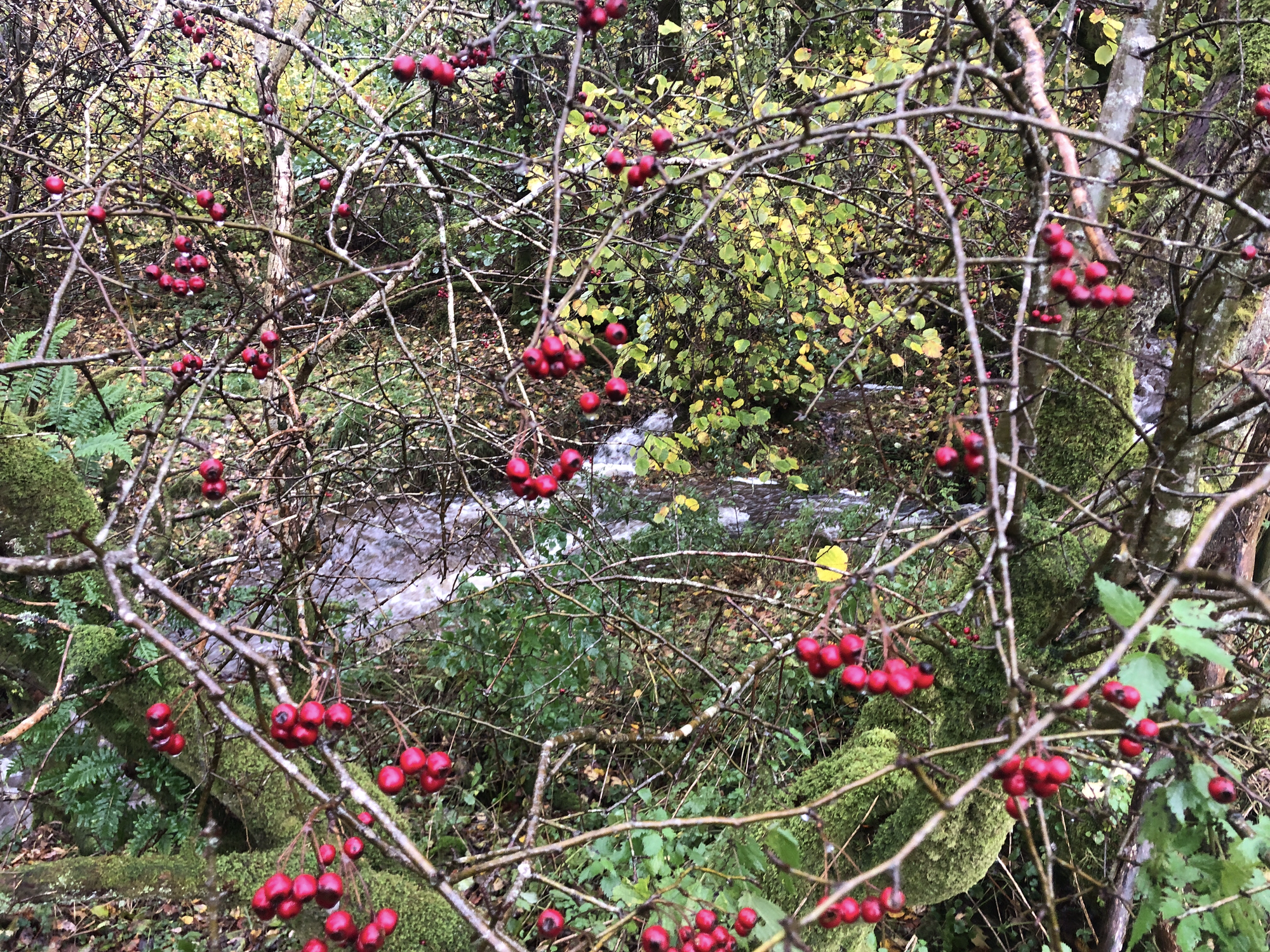
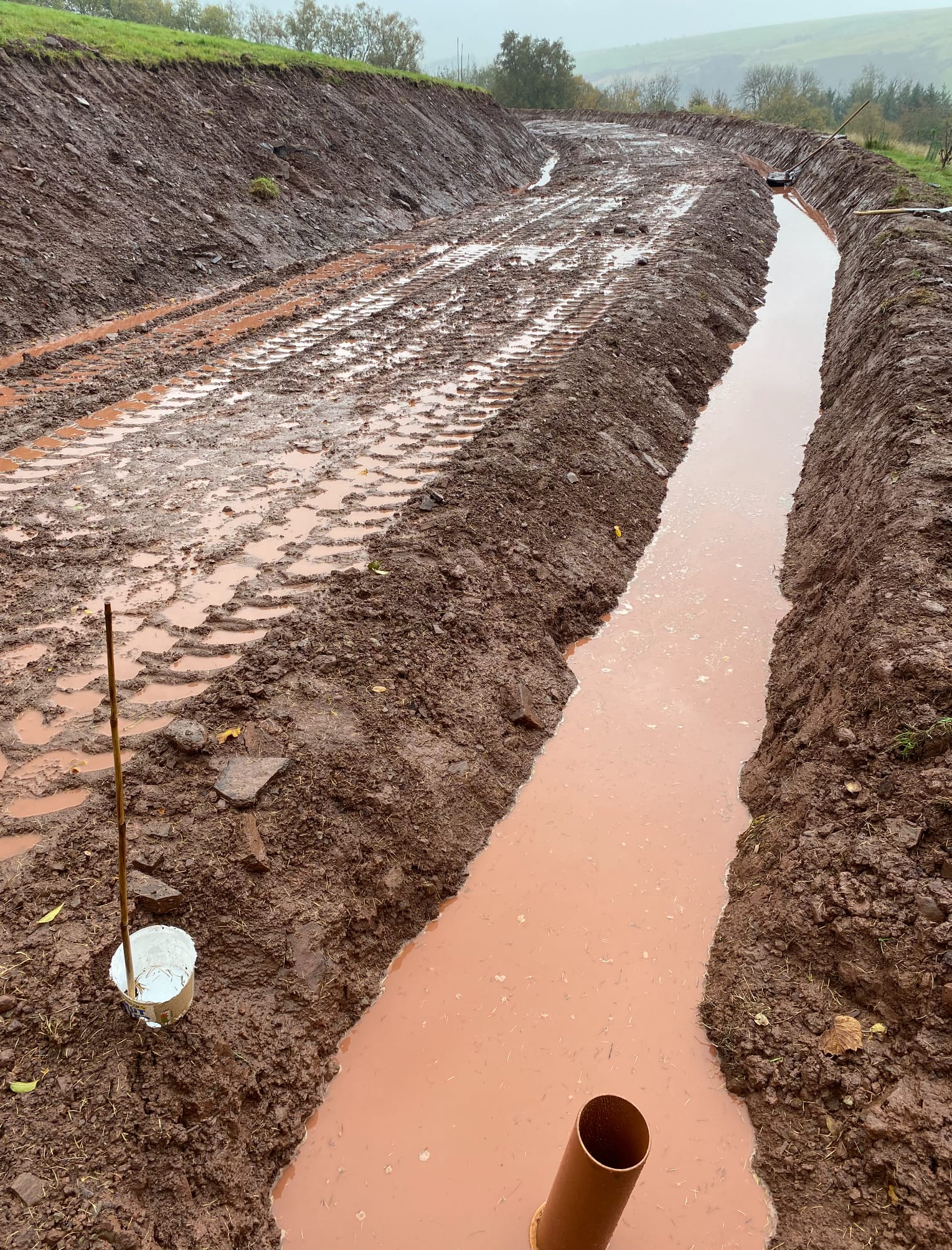
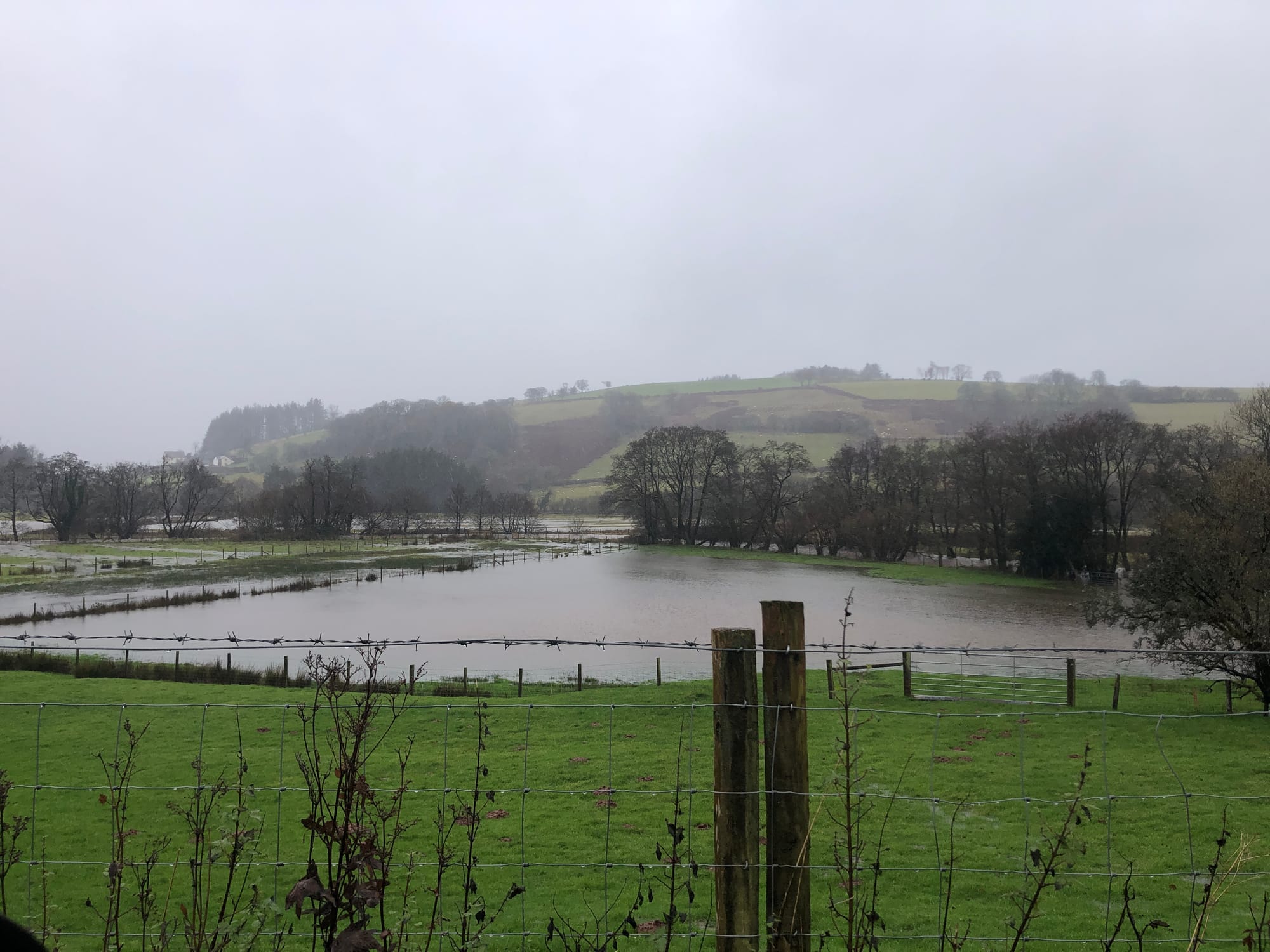
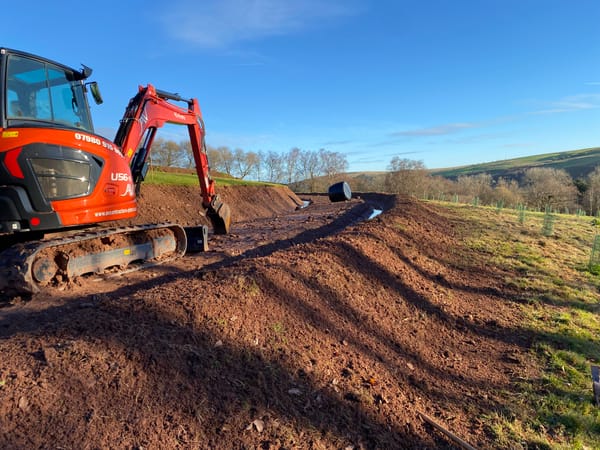
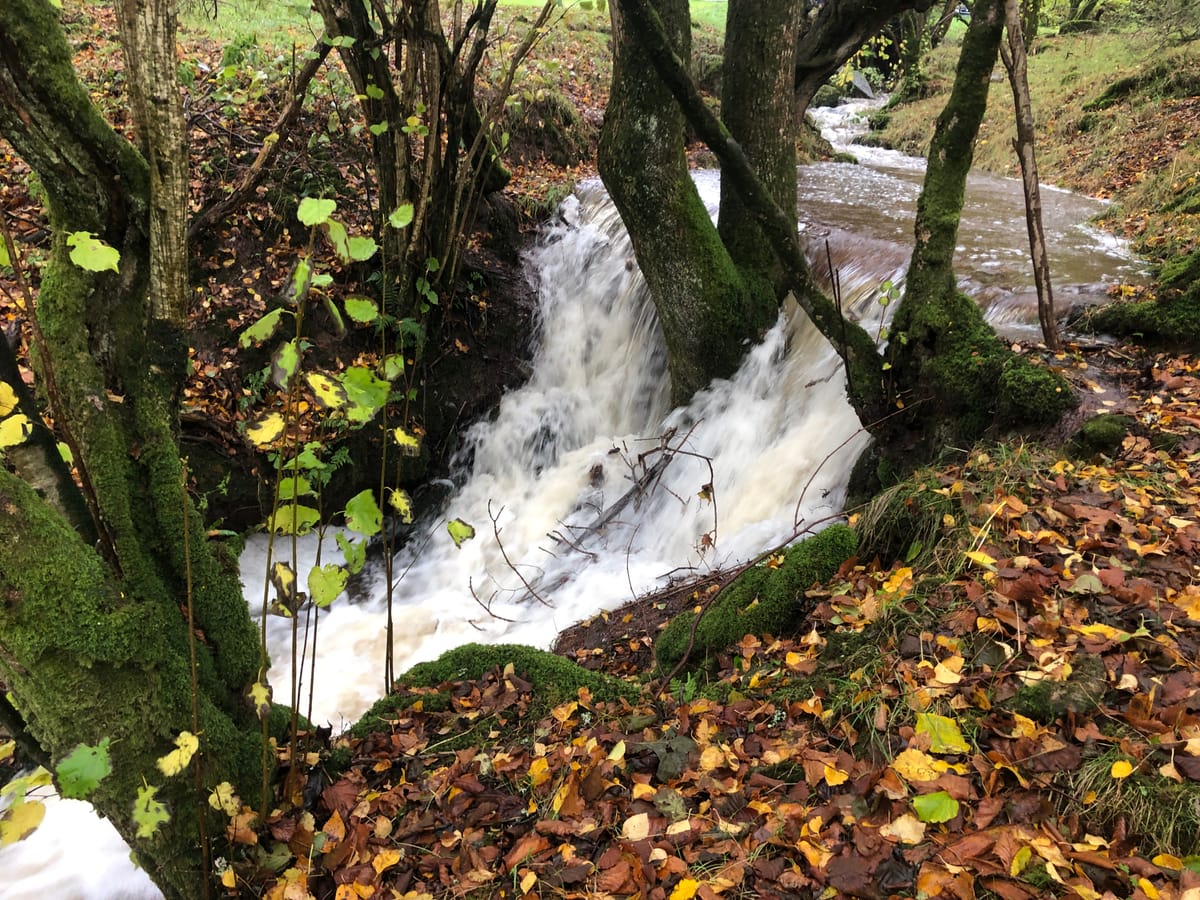
So the autumn earthworks went on pause back in October, yielding to tremendous amounts of rain. Rain that was relentless and hammered so ferociously on the roof that I had to sleep with ear plugs in. The stream flowed full and furious and the hilly lane running down the side of Rhuddin became a stream. Many folk in the valley areas below the mountains got affected by floods and the river in the cwm below flooded into the fields in Crai.
Even though it was only half finished, swivel pipes at one end of the swale did enable us to divert some of the water around the sides of the orchard a little. But we have noticed a strip of trees in the central area has stayed waterlogged this winter, possibly due to the sheer volume of water we have had running down from the mountains this winter. We may yet have to relocate these.
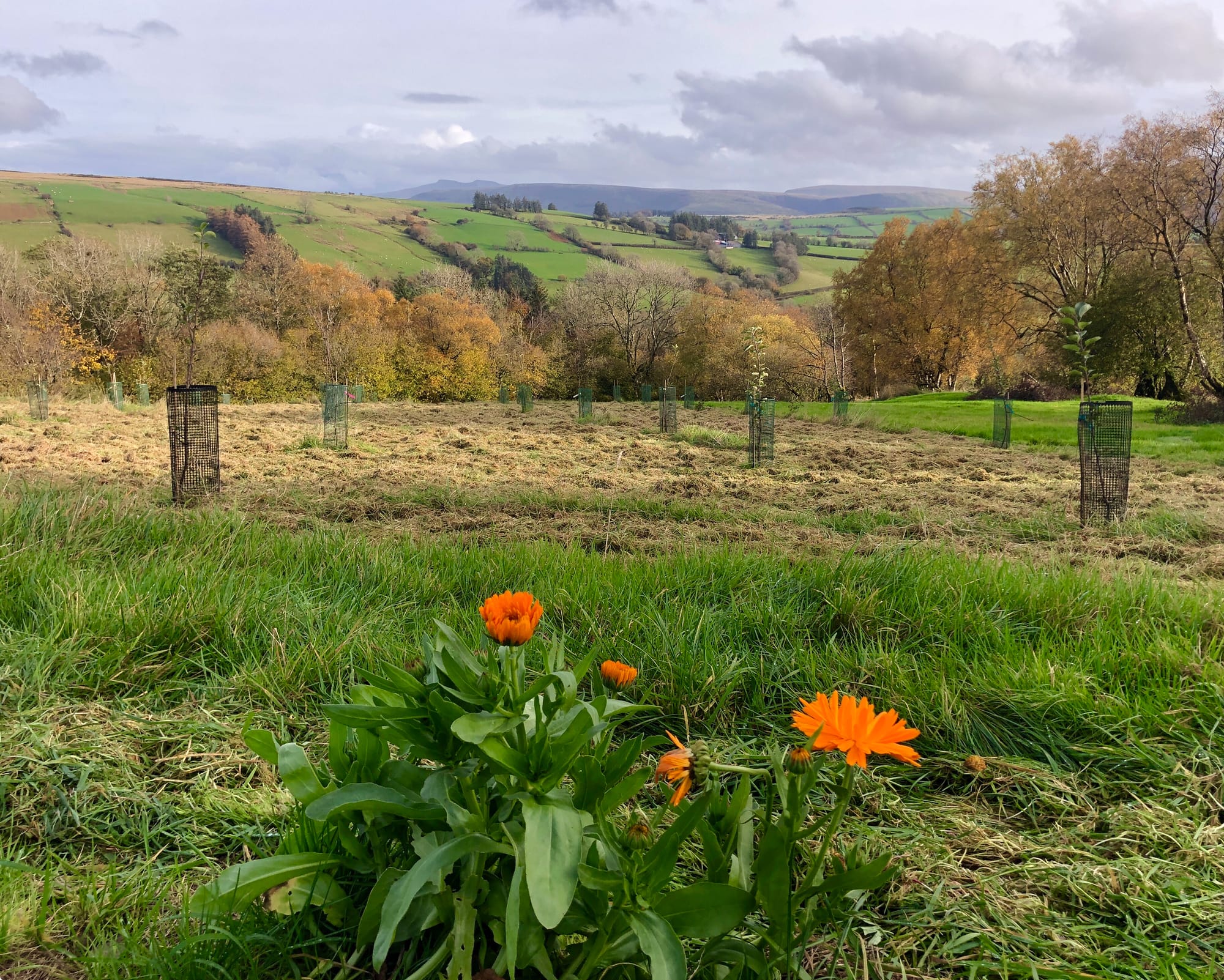
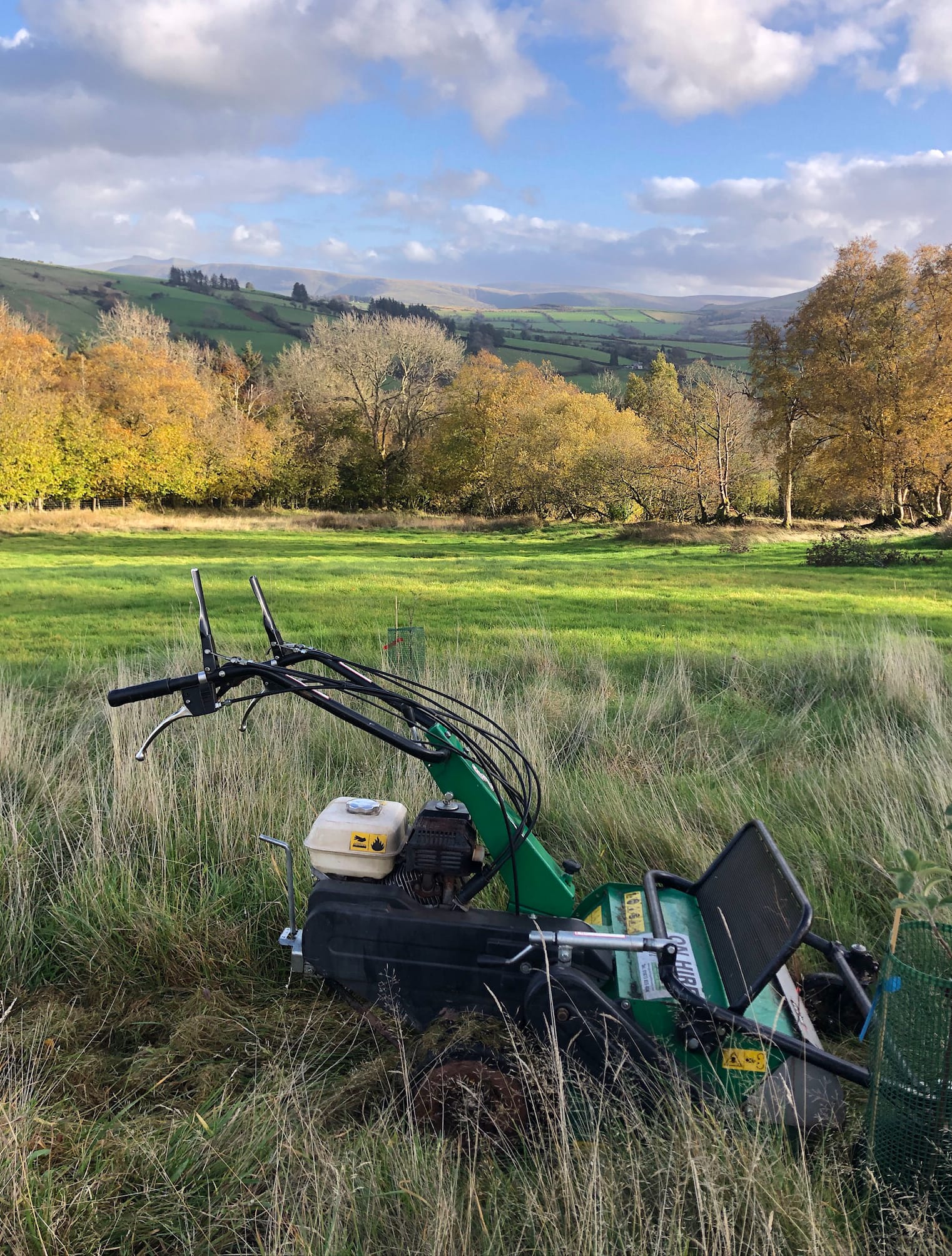
Another autumn challenge was getting the orchard grass down. Whilst we had always intended to leave the meadow in the orchards later in the year to support house-martins and other wildlife, a delay due to broken machinery meant we ended up cutting the grass well over a month after we planned. The result of this was that we made it far too easy for voles to become comfortable and they set up home in the protection of the long grass. I first discovered this when I noticed some of the bark around some of the young trees had been gnawed (nooooo!). Protective of the young trees, we immediately went into battle stations, clearing the orchard as soon as we could. Strong winds had also dislodged many of the tree guards. Day upon day was spent securing these and going up and down the rows bringing the grass down. The overall idea was to make the area a lot less pleasant for voles. They don’t like to be out in the open where predators can see them easily. We toyed with the idea of introducing feral cats onto the land but in the end we settled with hoping what we had done was enough and sending out a warm welcome to foxes and other predators that would be glad to find voles on the menu!
We will have to wait for later in the year to see if the voles completely destroyed any of the young trees but we are hoping that we got to most of them in time.
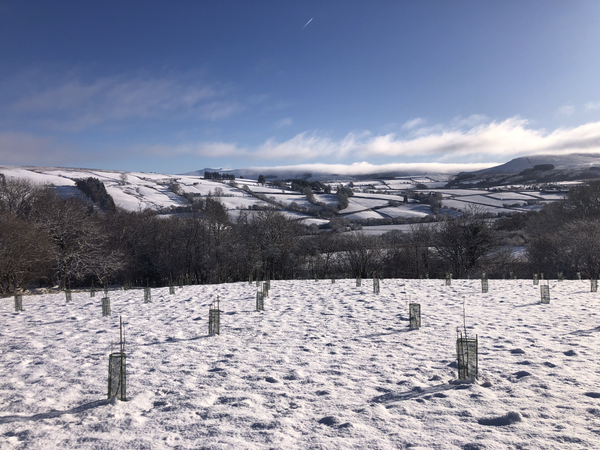
The winter work of coppicing the grown out trees along Rhuddin’s boundaries got delayed by the long rainy season. We also succumbed to a couple of weeks of flu and then stopped for a week of (very picturesque) snow.
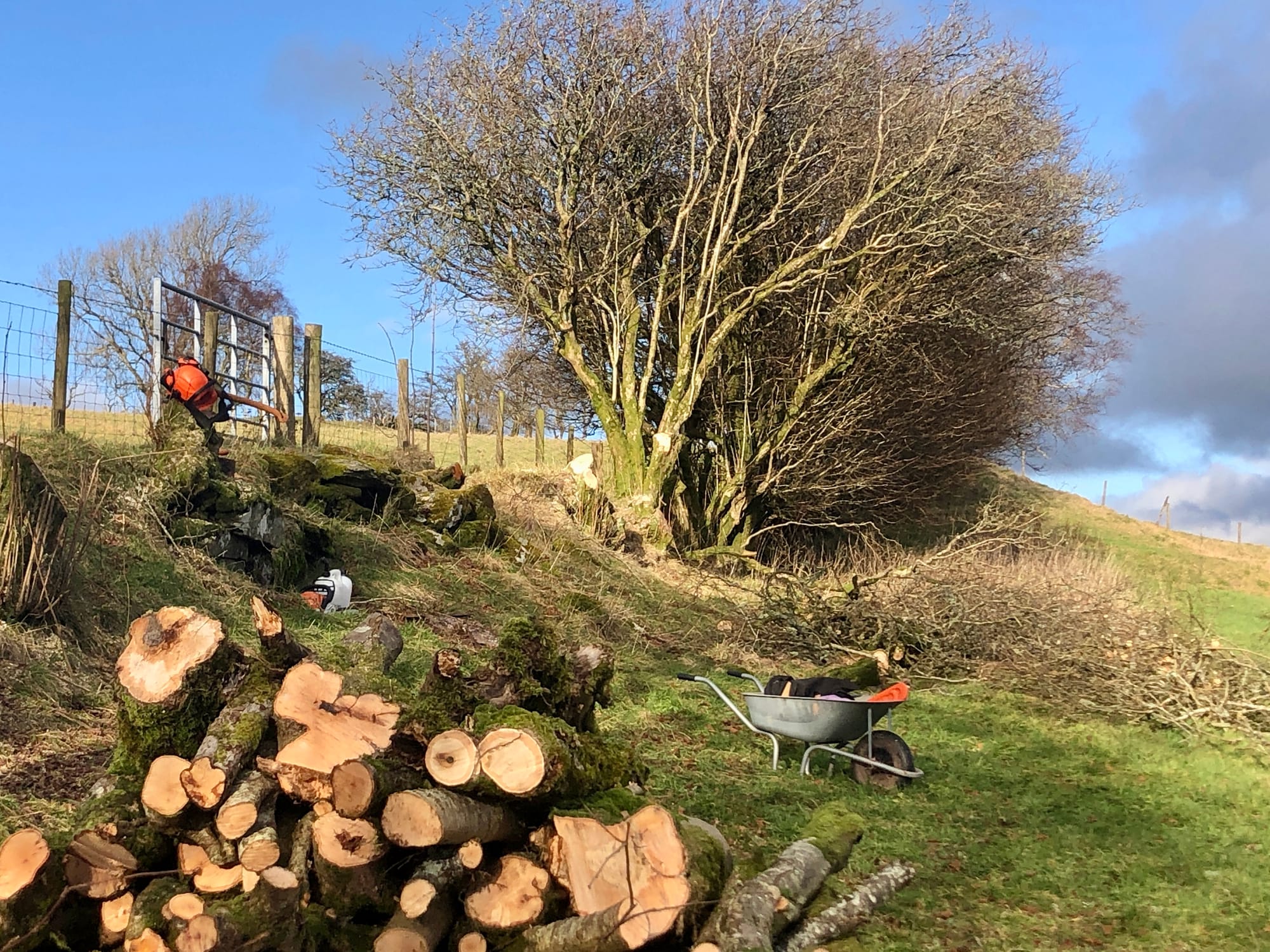
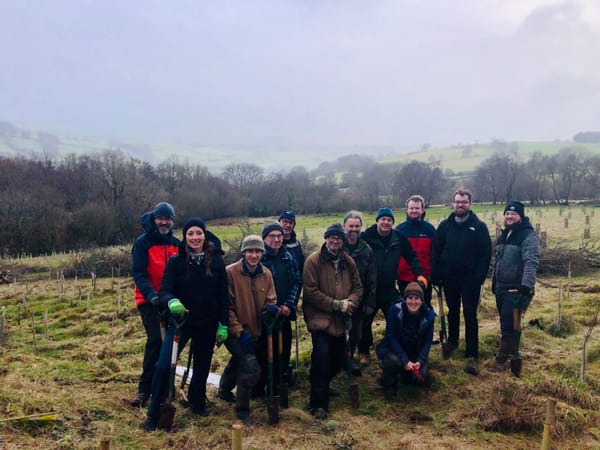
But just a couple of days into the New Year, Oz’s chain saw started up once again and day after day the task of coppicing the old hedges began, processing the wood into brash piles with loppers, making way for a new hedge to be planted at the end of January. We noticed how much more light there was once some of the overgrown hedges had been brought down. And it was great to think that the wood we were processing here would not be wasted but would be looped back into the project: both as wood chip to mulch and feed the young trees, and as fuel to keep the workers warm next winter! The stumps from the coppicing last year had pushed out vibrant new growth to grow up alongside the new hedging trees and we knew the trees that were being coppiced this season would do the same. The short work days end with a welcome retreat into the truck to light the wood burner and be revived by a warming suppers
Our aim here is to plant hedges all round the orchards that we will be able to lay in years to come to provide a thick dense layer for wildlife as well as offering some shelter to the apple trees from the mountain winds.